
Photo: Katalin Erdélyi
EN: There was a little break regarding the blog posts about my research work, since the previous weeks were about big changes (I’ll tell everything in the right time :)) But now it’s high time to continue this series with a new entry about the most exciting part: this time I’ll tell you what happens if it comes to lab experiments 🙂
If you’ve read the previous posts, you already know that a bunch of work is needed to be up to date with respect to the literature and making a detailed research plan is one of the most important parts of the work. But what happens when everything is ready for hitting the lab? 😛
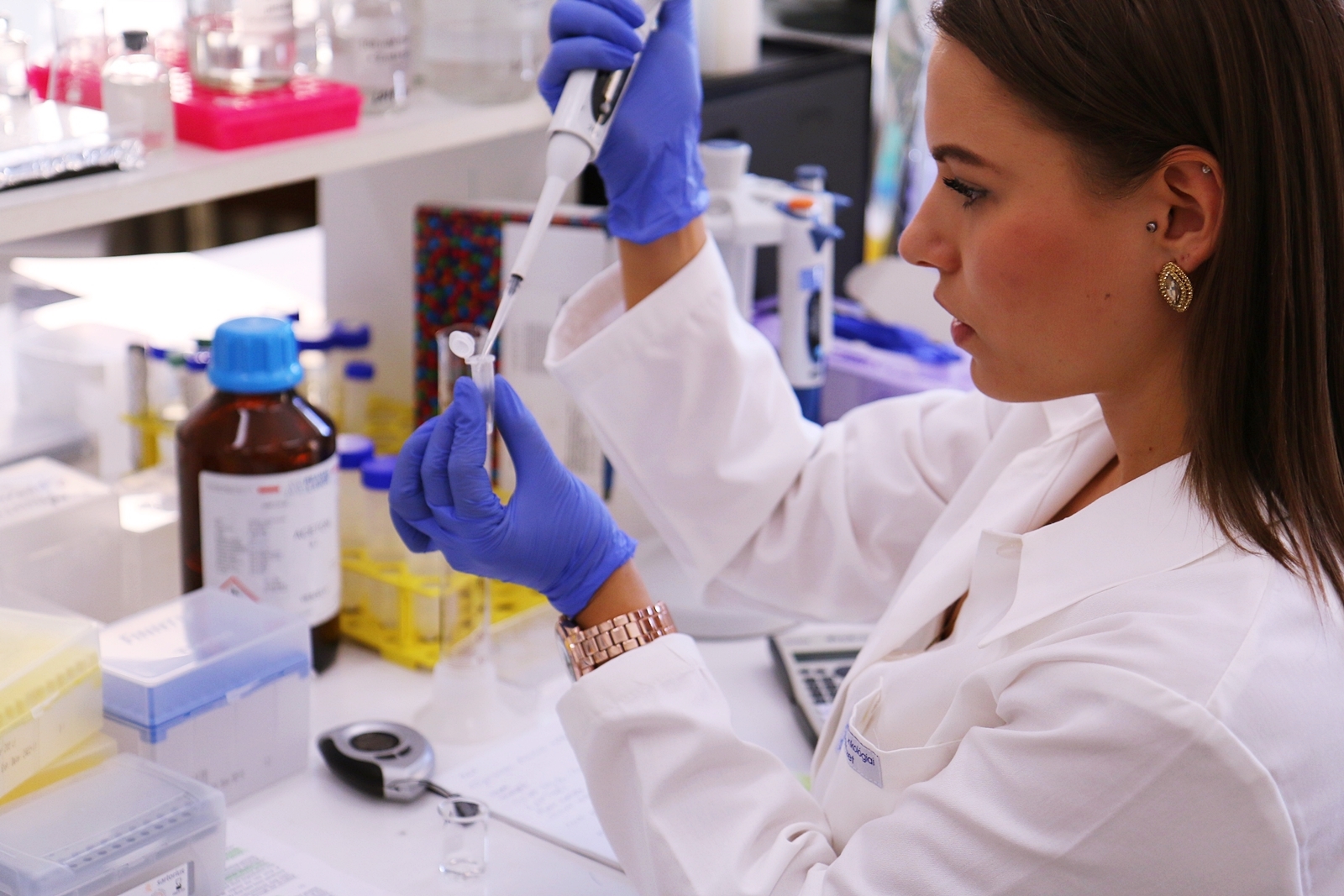
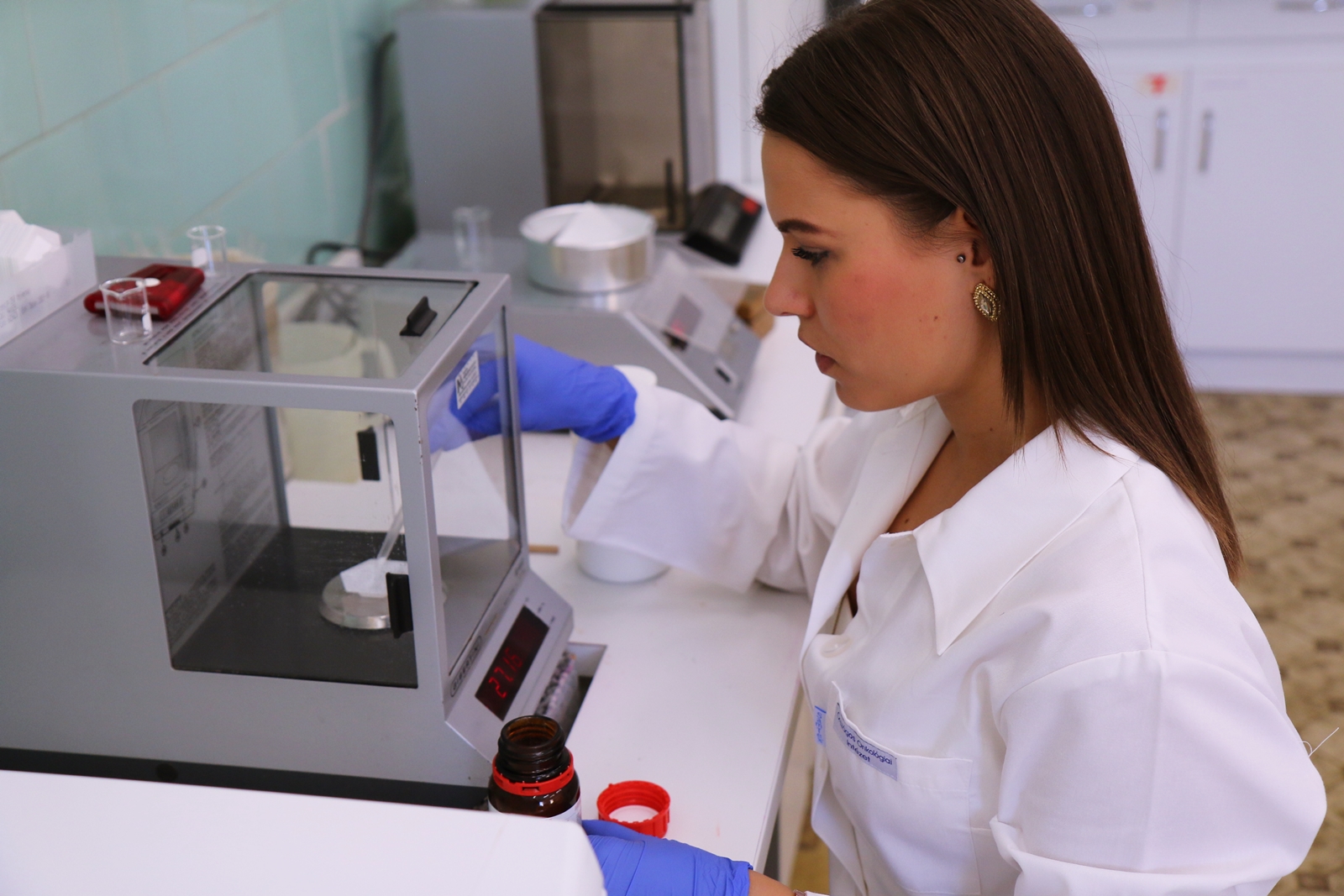
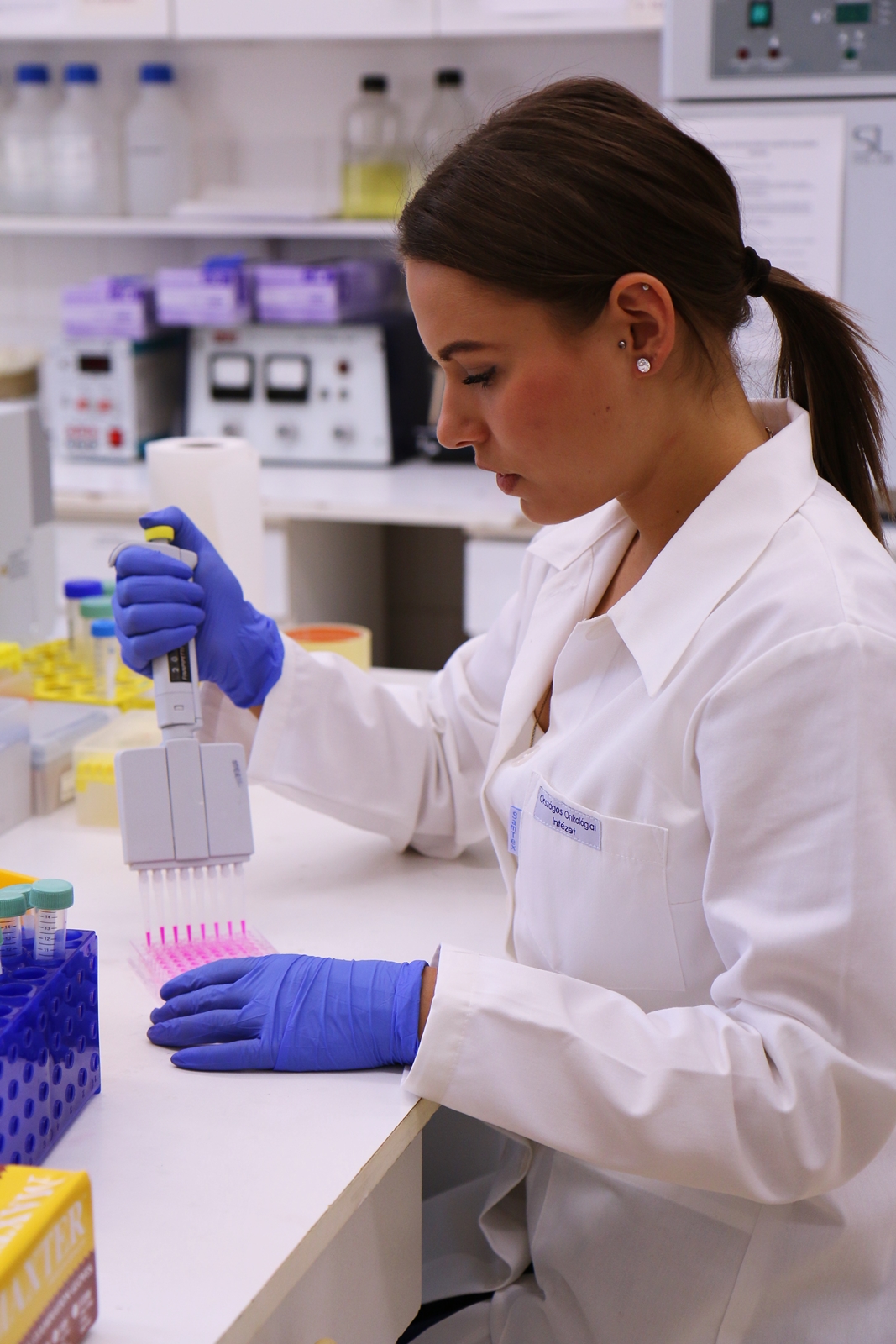
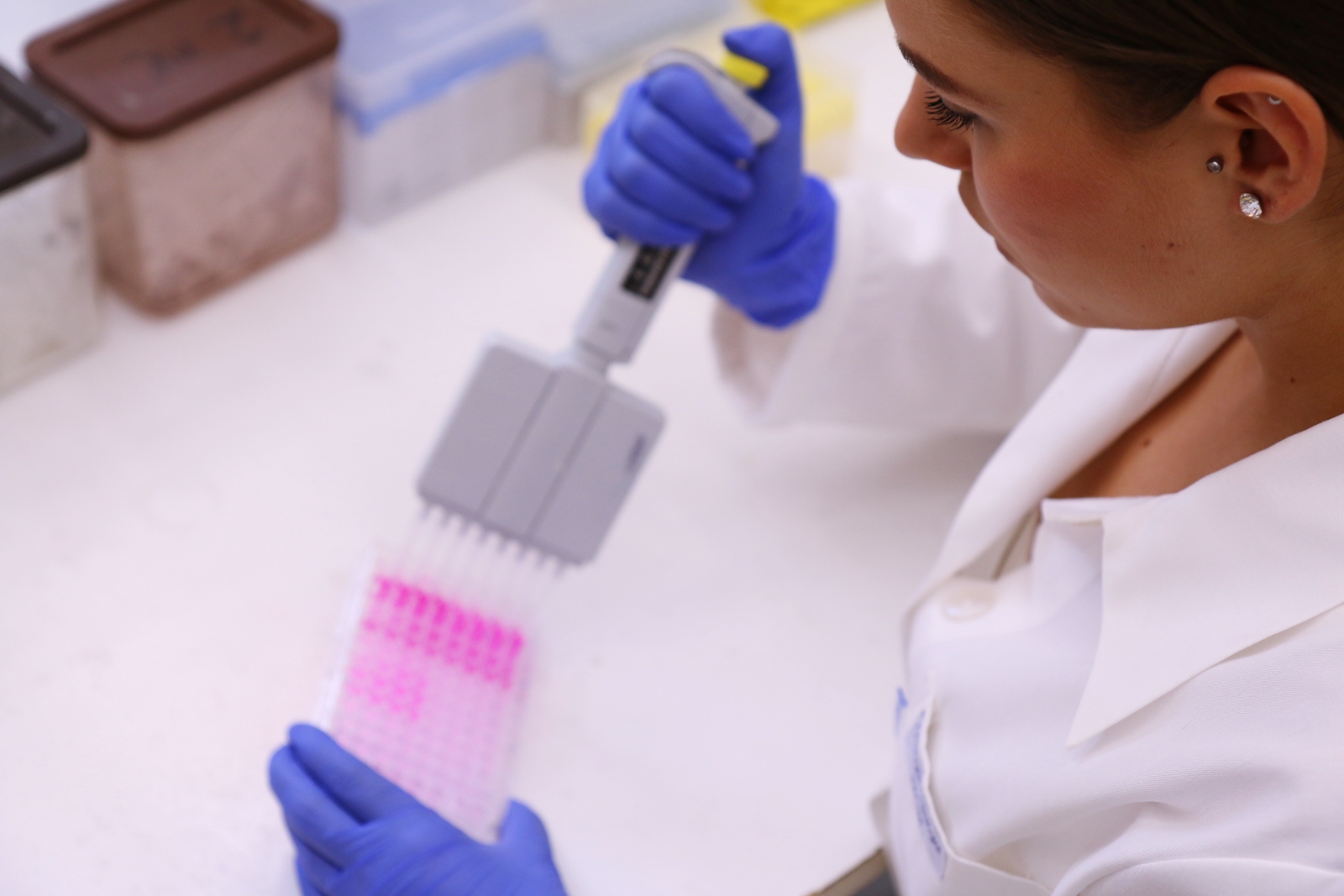
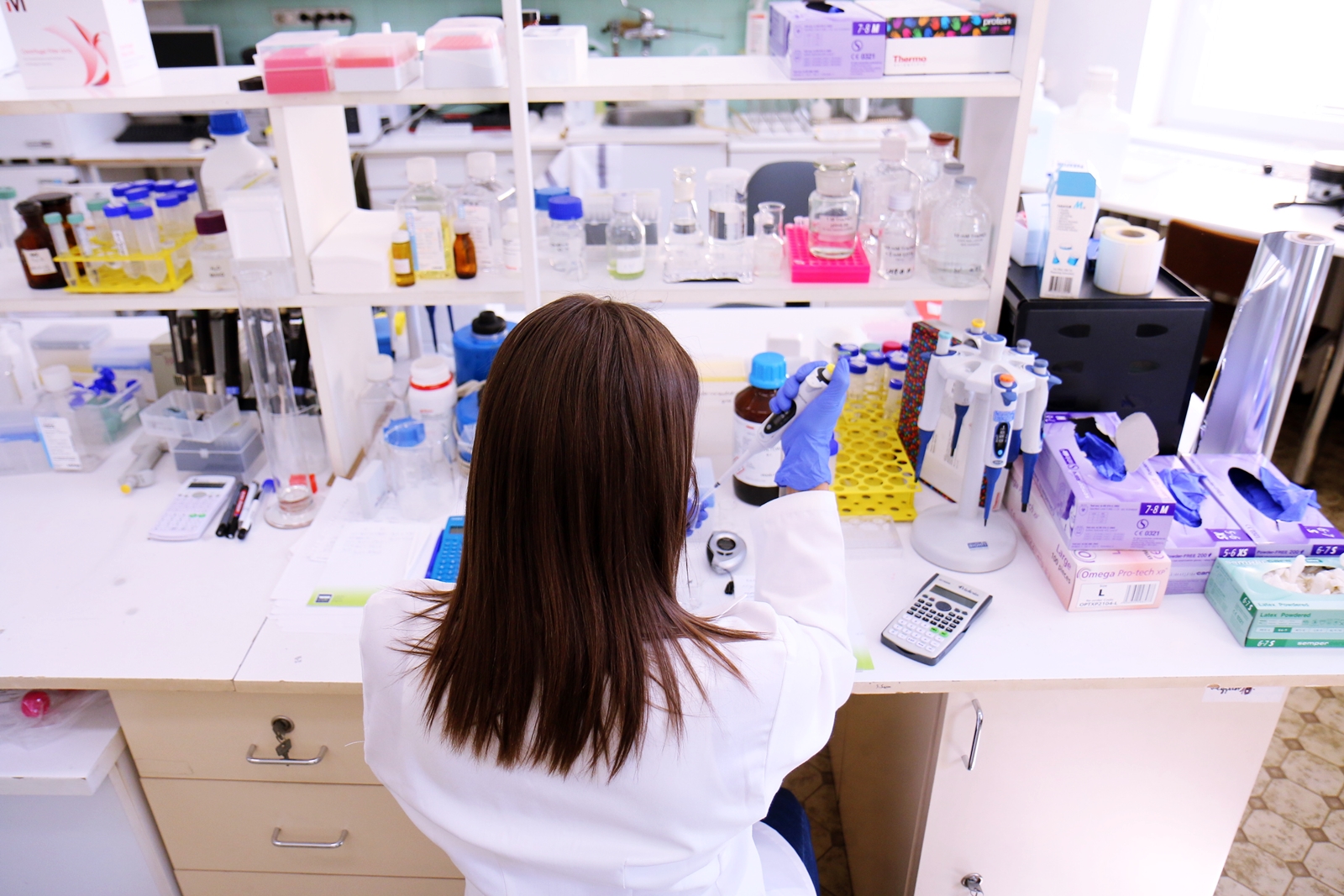
At first you need to prepare everything: weigh the exact amount of chemicals, make solutions, usually including many dilutions and concentration determination assays. So sometimes you have to do many small experiments to get ready for the big one and sometimes these small ones take much more time that the important one, even if you do something new and you are not familiar with the methods.
The length of the experiment depends on many parameters. Sometimes it’s not so tough and you have many incubation breaks. Sometimes I have to keep stopwatch with me all the time, since time is quite important and every second matters when I add a particular reagent to my mixture or take a sample. Sometimes I have no time to eat, drink or visit the restroom for hours and sometimes having a third hand would help me a lot 😀 This is when a good research plan (and a smart assistant) can help a lot.
Sometimes I can see immediately if things are going well or not. But-unfortunately-more often I have no idea about what’s going on, since I work with colorless solutions, all samples look exactly the same and I have no information about the reactions until the end of the experiment. Which takes 3 days sometimes, and yes, it can go wrong which means that you lost 3 days for nothing. This is one of the hardest parts. You need to accept that sometimes things don’t work out well, even if you did everything the way you had to. Not mentioning that we often think that it’s our fault since there are like 50 complicated steps and a human being sometimes does mistakes.
No matters what happens, one experiment is no experiment. Even if you’re so happy about your results that you’d open a bottle of champagne immediately, at least 3 parallel measurements are needed to have reproducible results and to minimize the possibility of human mistakes. And what happens when you have repeated everything like 100 times and it still doesn’t seem to work out? Then you can do 2 things: change the parameters or (when you tried everything you could but still nothing works out) change your theory. Since no matters what hypothesis you have, this is science when you have to believe in your results.
HU: A kutatómunkámmal kapcsolatos bejegyzések kicsit szüneteltek az utóbbi időben, ugyanis az én életemben is több nagyobb változás is bekövetkezett az utóbbi hetekben (de majd mindent a maga idejében… :)). Most viszont szeretném folytatni a sorozatot egy új bejegyzéssel, ami az egyik legizgalmasabb folyamatról fog szólni, a kísérletezésről 🙂
Az utóbbi posztokból már megtudhattátok, hogy a laboratóriumi munkát sok-sok irodalmazás, majd tervezés előzi meg, de lássuk mi történik akkor, amikor eljön a nagy nap és minden készen áll arra, hogy köpenyt húzzak 😛
Első lépésben természetesen mindent elő kell készíteni, pontosan bemérni a szükséges vegyszereket, szükség esetén hígítani, koncentrációt meghatározni. Van, hogy ezek az apróságok sokkal több időt elvesznek, mint a maga a tényleges reakció, főleg akkor, amikor viszonylag új kísérletről van szó, és még nem mennek rutinszerűen a lépések.
Az, hogy mennyire hosszú maga a kísérlet, az nagyon változó. Van, amikor lazább és vannak üresjáratok, Van amikor stopperrel járok-kelek, mert nagyon fontos, hogy szinte másodperc pontossággal történjen egy-egy mintavétel, egy reagens hozzáadása és hasonlók. Van, amikor órákon keresztül nincs időm enni vagy inni és van amikor jól jönne, ha három kezem lenne 😀 Mindenesetre, ekkor a legnagyobb segítség a jól összeállított terv, esetleg egy ügyes assziszens, illetve előtte sem árt átgondolni a lépéseket, hogy ne útközben pánikoljon az ember, hogy akkor most minek is kellene következnie? 😀
Van, amikor ránézésre látom egy adott reakción, netán egy számértéken, hogy rendben van-e a dolog, vagy netán újrakezdést igényel a folyamat. Ugyanakkor – és sajnos sokkal többször – halvány fogalmam sincs a kísérlet alatt, hogy minden úgy történik-e, ahogy a terv alapján várható. Sokszor színtelen oldatokkal dolgozom, és a kísérlet végéig az égvilágon semmilyen információm nincs arról, hogy mi történik. Ez pedig van, hogy három nap és benne van a pakliban, hogy kuka az egész. Ez az egyik legnehezebb rész, ugyanis tudni kell elfogadni a kudarcot vagy a negatív eredményt akkor is, ha Te mindent jól csináltál. Nem beszélve arról, hogy sokszor magunkban keressük a hibát egy negatív eredményt követően, hiszen emberből vagyunk, tehát nem kizárt hogy mi néztünk be valamit az 50 részlépésből.
Természetesen egy kísérlet nem kísérlet, úgyhogy a legbrilliánsabb eredményt követően-mikor legszívesebben pezsgőt bontanál- is minimum kétszer meg kell ismételni az egész folyamatot, hiszen reprodukálható eredményekre van szükség, illetve az emberi hiba lehetőségét is minimalizálni kell. Ha pedig százszor is olyan eredményt kapunk, amit nehezen értelmezünk akkor két dolgot lehet tenni: változtatni a paramétereken, vagy ami radikálisabb (és ide általában akkor jutunk el, amikor mindent, de tényleg mindent megpróbáltunk): változtatni az alapfeltevésen. Hiszen kiindulási elmélet ide vagy oda, az eredményeknek hiszünk… 🙂

